Disclosure: Homestead Gardener Inc. is a participant in the Amazon Services LLC Associates Program. I earn from qualifying purchases. This means that if you click on a link and make a purchase, I may earn a small commission at no extra cost to you. Thank you for supporting us!
Lavender Chamomile Tea: A Calming Bedtime Tea Recipe
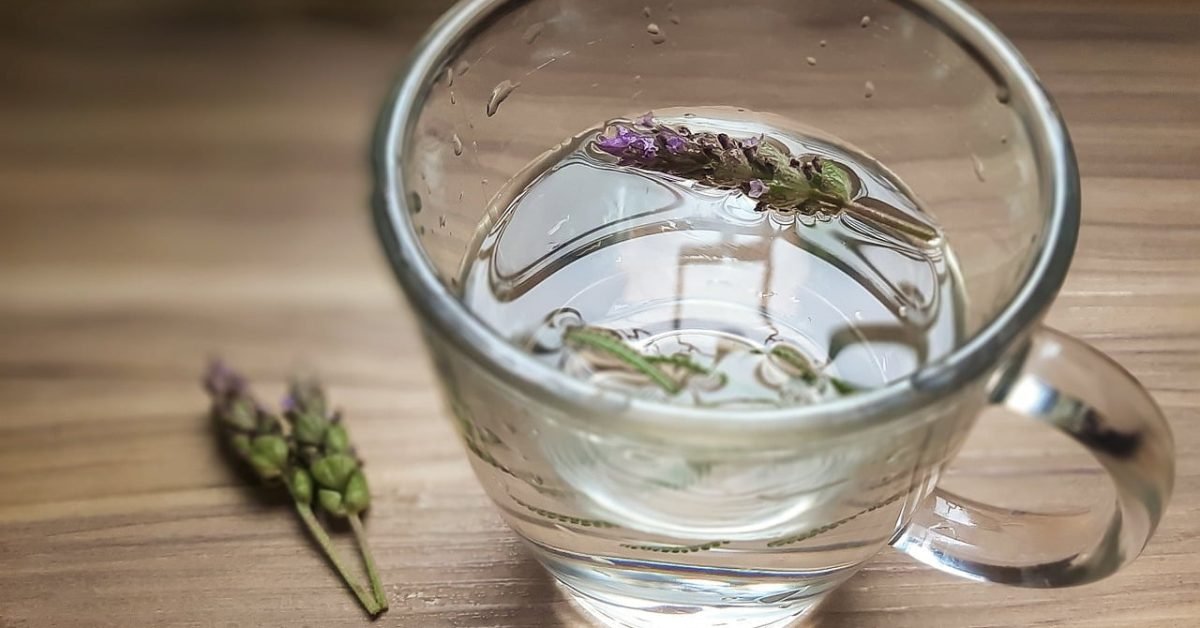
There’s a particular kind of quiet that settles in once the day’s tasks are done — the dishes are put away, the lights are low, and all that’s left is the kettle gently coming to a boil. This lavender chamomile tea is made for exactly that moment. It’s a soft, floral blend with a touch of citrus and sweetness, steeped specifically to help you slow down, settle in, and ease toward sleep.
Lavender: Calm in Every Petal
Lavender is one of the most recognizable herbs in any garden, prized as much for its fragrance as for its long history in calming preparations. Traditionally, lavender has been used to ease tension and support relaxation, and its soft floral aroma alone is often enough to signal the body that it’s time to unwind. If you’re curious about growing your own, we have a full guide here: Growing Lavender.
Chamomile: The Classic Evening Herb
If lavender is the fragrance of this blend, chamomile is its quiet foundation. With its small, daisy-like flowers and gentle, apple-like flavor, chamomile has been a go-to evening herb in countless households for generations — often reached for during quiet moments, restless evenings, or simply as a comforting way to close out the day.
Lemon Balm: A Soft Citrus Lift
Lemon balm rounds out the trio with a bright, lemony note that keeps this blend from feeling too heavy or one-note. A member of the mint family, lemon balm has a long history of use in calming herbal preparations and pairs beautifully with both lavender and chamomile, adding a fresh, almost garden-fresh lift to every sip.
Why This Blend Works So Well Together
On their own, each of these herbs brings something gentle to the table — but together, they balance each other out. Lavender’s floral depth, chamomile’s soft sweetness, and lemon balm’s citrus brightness layer into a cup that feels rounded rather than flat. A spoonful of raw honey adds warmth and a touch of natural sweetness, while a slice of fresh lemon brightens the whole cup with a lively finish. The result is a tea that’s soothing without being dull — easy to sip slowly, and easy to look forward to.
The Recipe

Lavender Chamomile Tea
Ingredients
- 1 Tbsp Dried chamomile flowers
- 1 Tsp Dried lavender flowers
- 1 Tsp Dried lemon balm leaves
- 1 Tsp Honey raw, unpasturized
- 1 Slice Fresh lemon optional, for garnish
- 2 Cups Water
Instructions
- Prepare the Tea Blend: In a teapot or tea infuser, combine the dried chamomile flowers, dried lavender flowers, and the dried lemon balm leaves.
- Boil Water: Heat 2 cups of water until it's just below boiling
- Infuse the Tea: Pour the hot water over the tea blend in the teapot or infuser. Cover and let it steep for about 5-7 minutes to allow the flavors to infuse.
- Strain the Tea: After steeping, strain the tea to remove the herbs and flowers. You can use a fine-mesh strainer or remove the infuser.
- Sweeten (Optional): If desired, add a teaspoon of honey to the tea for a touch of sweetness. Stir until the honey is fully dissolved.
- Garnish (Optional): Garnish with a slice of fresh lemon for an extra burst of citrus aroma and flavor.
- Enjoy: Pour the Lavender Chamomile Tea into your favorite mug and savor the calming and aromatic experience.
Notes
- There are many types of tea diffusers you can purchase. Check out what Amazon has available here.
Explore the Ingredients
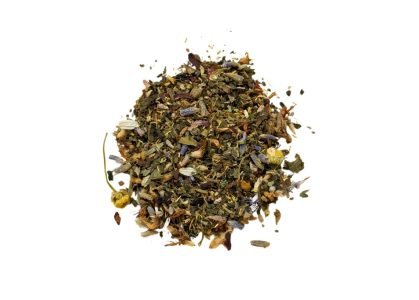
The herbs in this recipe are available individually in our shop for those who wish to explore the blend at home, including Lavender Flowers and Chamomile.
A Few Quick Questions
This blend isn’t a fit for everyone. Chamomile is part of the daisy (ragweed) family, so anyone with allergies to ragweed, chrysanthemums, marigolds, or daisies should be cautious or avoid it. Because lavender and chamomile both have mild sedative properties, it’s worth being mindful about combining this tea with sedative medications, sleep aids, or alcohol. Lemon balm may also interact with thyroid medications. As noted above, this tea isn’t recommended in larger amounts during pregnancy or breastfeeding, and it’s a good idea to check with a pediatrician before giving herbal teas to young children. If any of this sounds like it could apply to you, please check with your healthcare provider first.
Many people enjoy this blend as part of a regular evening wind-down routine. As with any herbal tea, it’s a good idea to pay attention to how your body responds and adjust as needed.
Some herbs, including chamomile and lavender, aren’t recommended in larger amounts during pregnancy or breastfeeding. If this applies to you, please check with your healthcare provider before adding this tea to your routine.
Yes — you can mix the dried chamomile, lavender, and lemon balm in larger quantities and store the blend in an airtight container in a cool, dark place for up to a year, then brew a cup whenever you like.
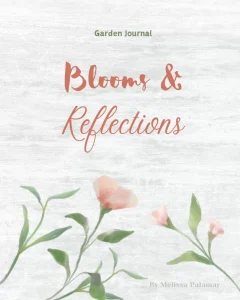
The Only Garden Journal You'll Ever Need!
Embark on a journey through the seasons with ‘Blooms and Reflections‘ your companion in cultivating the garden of your dreams. This beautifully crafted gardening journal unfolds over 91 pages, offering a comprehensive space for all your gardening aspirations and practical needs.
A Gentle Note
This post is shared for general interest and inspiration, and isn’t intended as medical advice. Herbal teas can be a lovely part of a relaxing routine, but everyone’s body responds differently — if you’re pregnant, breastfeeding, taking medication, or managing a health condition, it’s always worth checking with a healthcare provider before adding new herbs to your routine.